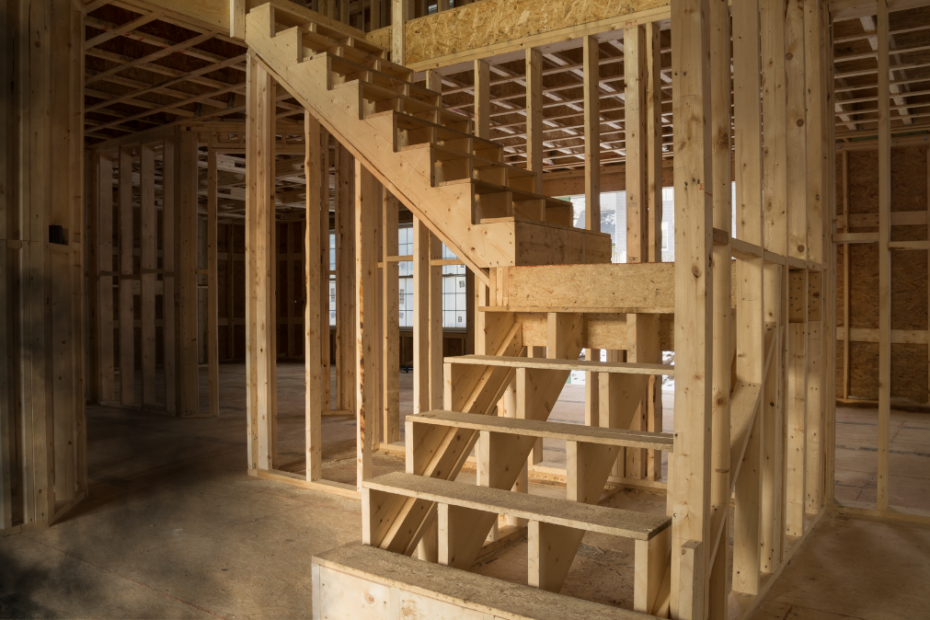
Many homebuyers assume that a newly built home is free from hidden hazards. After all, everything is brand new, built to current codes, and designed with modern materials and construction practices. However, when it comes to radon, a home’s age has very little to do with its risk level.
The truth is that new construction homes can have high radon levels, sometimes even higher than older homes in the same area. That is why radon testing remains one of the most important steps in protecting your family’s health, regardless of when a home was built.
What Is Radon?
Radon is a naturally occurring radioactive gas that forms when uranium breaks down in soil, rock, and groundwater. It is colorless, odorless, and tasteless, making it impossible to detect without specialized testing.
As radon gas rises from the ground, it can enter homes through:
- Foundation cracks
- Gaps around pipes
- Construction joints
- Sump pits
- Crawl spaces
- Openings in concrete slabs
Over time, elevated radon exposure can increase the risk of lung cancer. In fact, radon is the second leading cause of lung cancer in the United States and the leading cause among non-smokers.
Why New Homes Can Have High Radon Levels
Many people believe that modern construction methods prevent radon from entering a home. While some newer homes may include radon-resistant features, these systems do not always eliminate radon completely.
Several factors can contribute to high radon levels in new construction homes.
Energy-Efficient Construction
Modern homes are built to be more energy efficient than ever before. Tighter construction helps reduce heating and cooling costs by minimizing air leakage.
While this improves efficiency, it can also trap radon gas inside the home once it enters. With less natural airflow, radon concentrations may build up over time.
Soil Conditions Matter More Than Home Age
Radon originates from the ground beneath the home. If a property is located in an area with elevated radon-producing soil, the home can be at risk regardless of whether it was built last year or fifty years ago.
Two neighboring homes can even have significantly different radon levels due to variations in soil composition and construction details.
Soil Disturbance Can Release More Radon
During the construction of homes, the soil is agitated and moved around. This allows for more radon gas to escape from the soil and potentially make levels rise inside your home.
Construction Gaps and Penetrations
Even in brand-new homes, small openings can allow radon to enter.
Common entry points include:
- Utility penetrations
- Foundation joints
- Plumbing openings
- Concrete slab cracks
- Sump pump basins
These pathways may not be visible to homeowners but can still contribute to elevated radon levels.
Do Building Codes Require Radon Protection?
Building codes vary by state and municipality. Some areas require radon-resistant construction techniques in new homes, while others do not.
Even when radon-resistant features are installed, testing is still necessary. A passive radon-resistant system helps reduce risk, but it does not guarantee that radon levels will remain below recommended action levels.
The only way to know a home’s radon level is through testing.
When Should New Homes Be Tested for Radon?
Ideally, radon testing should be completed before closing on a newly constructed home. This gives buyers valuable information about the property’s indoor air quality before they move in.
Testing is also recommended:
- After construction is complete
- Following major renovations
- When finishing a basement
- Every few years as part of routine home maintenance
Because radon levels can fluctuate, periodic testing helps ensure your home remains safe over time.
What Happens If High Radon Levels Are Found?
If testing reveals elevated radon levels, the solution is often straightforward.
A radon mitigation system is designed to safely redirect radon gas from beneath the home and vent it outside before it can enter living spaces. These systems are highly effective and can significantly reduce indoor radon concentrations.
Many homeowners are surprised to learn that mitigation systems can often be installed quickly with minimal disruption to daily life.
Don’t Assume a New Home Is Radon-Free
A new construction home may offer modern amenities, updated designs, and improved energy efficiency, but none of those features guarantee protection from radon.
Because radon is invisible and odorless, testing is the only way to know whether your home has elevated levels. Whether you’re purchasing a newly built home or have recently moved into one, radon testing is a smart investment in your family’s health and peace of mind.
Protect Your Home with Radon Eraser
At Radon Eraser, we help homeowners identify and address radon concerns through professional testing and mitigation services. Our team is committed to helping families create healthier indoor environments and make informed decisions about their homes.
If you’re purchasing a new construction home or have questions about radon levels in your area, contact Radon Eraser today to schedule professional radon testing and gain confidence in the air you breathe.