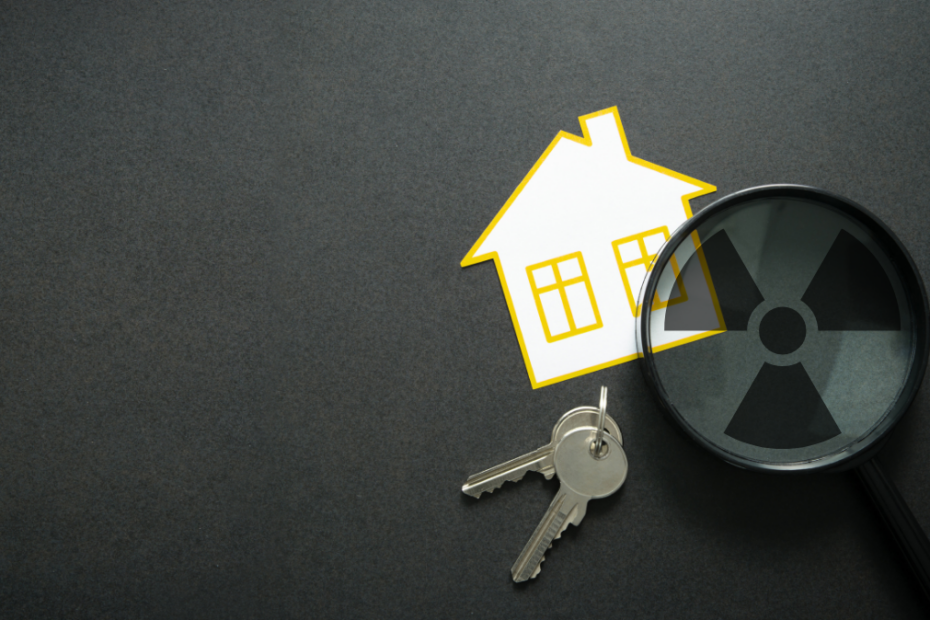
When buying or selling a home, there are many moving parts to consider. One factor that often raises questions is radon. Understanding how radon fits into real estate transactions can help both buyers and sellers move forward with confidence.
Radon is a naturally occurring gas that can enter homes through the soil. It is invisible, odorless, and tasteless, which makes testing the only way to detect it. Because elevated radon levels can pose health risks, it has become a common consideration during the home inspection process.
Why Radon Matters in a Real Estate Transaction
For buyers, radon testing is an important step in understanding the safety of a property. A home may look perfect on the surface, but without testing, there is no way to know if radon levels are elevated. Many buyers choose to include a radon test as part of their inspection contingency to ensure they are making an informed investment.
For sellers, being proactive about radon can help avoid surprises later in the process. Conducting a radon test before listing a home allows sellers to address any issues upfront. This can streamline negotiations and build trust with potential buyers.
What Happens If Radon Levels Are High
If a test reveals elevated radon levels, it does not mean the deal is over. In fact, this is a common scenario that can usually be resolved quickly.
Buyers and sellers typically have a few options:
- The seller installs a radon mitigation system before closing
- The seller provides a credit so the buyer can install a system after closing
- Both parties negotiate a solution that works for everyone involved
Radon mitigation systems are highly effective and can significantly reduce radon levels in a home. Once installed, they provide long-term peace of mind for future occupants.
Timing and Negotiation Considerations
Timing is key when it comes to radon testing in real estate transactions. Tests are usually conducted during the inspection period, which means results need to be reviewed quickly so both parties can make decisions without delaying the closing timeline.
Clear communication is also essential. Real estate agents, home inspectors, and radon professionals often work together to ensure everyone understands the results and next steps. When handled properly, radon concerns rarely derail a transaction.
A Smart Step for Buyers and Sellers
Whether you are buying or selling, radon testing is a simple step that can make a big difference. It protects health, supports transparency, and helps ensure a smooth transaction from start to finish.
By understanding the role of radon in real estate transactions, you can approach the process with confidence and make informed decisions every step of the way.