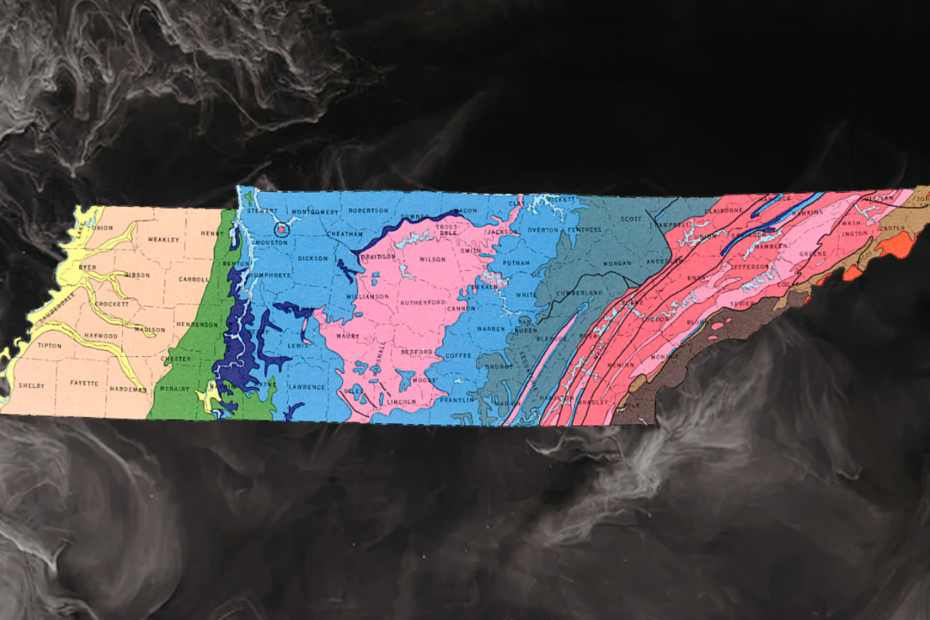
Radon is a naturally occurring gas that forms when uranium in soil and rock breaks down over time. It is invisible, odorless, and tasteless, which makes it impossible to detect without proper testing. In East Tennessee, geology plays a major role in how much radon may be present in your home, and understanding that connection can help you better protect your family.
The landscape of East Tennessee is unique. The region is part of the Appalachian Mountains, which were formed through complex geological processes involving shifting tectonic plates, pressure, and time. These processes created a mix of rock types, including limestone, shale, and granite. Some of these materials naturally contain higher levels of uranium, which leads to increased radon production as they break down.
Limestone is especially common in parts of East Tennessee and is known for its porous nature. Over time, water can dissolve limestone and create cracks, fissures, and even underground cavities. This allows radon gas to travel more easily through the ground and eventually seep into homes through foundations, crawl spaces, and slab floors. Even homes that appear well sealed can still be vulnerable if radon is present in the surrounding soil.
Another factor that impacts radon levels is the way homes are built. In areas with rocky or uneven terrain, homes may be constructed with basements, crawl spaces, or slab foundations that sit directly on soil with varying radon potential. Small openings around pipes, joints, and foundation walls can provide easy entry points for radon gas. Once inside, it can become trapped and build up to dangerous levels without any visible warning signs.
Weather and seasonal changes in East Tennessee can also influence radon levels. Heavy rain, humidity, and shifting air pressure can draw radon from the soil into your home. During cooler months, when windows and doors stay closed, radon can become even more concentrated indoors. However, elevated levels can occur at any time of year, which is why consistent testing is so important.
The challenge with radon is that you cannot predict levels based on your neighbor’s home or even the age of your property. Two houses built side by side can have completely different radon readings due to small differences in soil composition and construction details. That is why testing is the only reliable way to know if your home is safe.
At Radon Eraser, we specialize in helping homeowners across East Tennessee understand and manage their radon risk. Our professional testing services provide accurate results so you can make informed decisions about your home and your health. If elevated levels are found, we can guide you through the next steps to reduce radon and create a safer living environment.
Do not leave something this important to chance. Contact Radon Eraser today to schedule a radon test and take the first step toward protecting your home and everyone in it.