After radon mitigation, keep three things together: the follow-up radon measurement, the system’s operating instructions and the installer’s service details. An installed fan and pipe are part of the work. The post-mitigation test documents the indoor radon concentration during its measurement period; the handover records explain how to look after the system afterward.
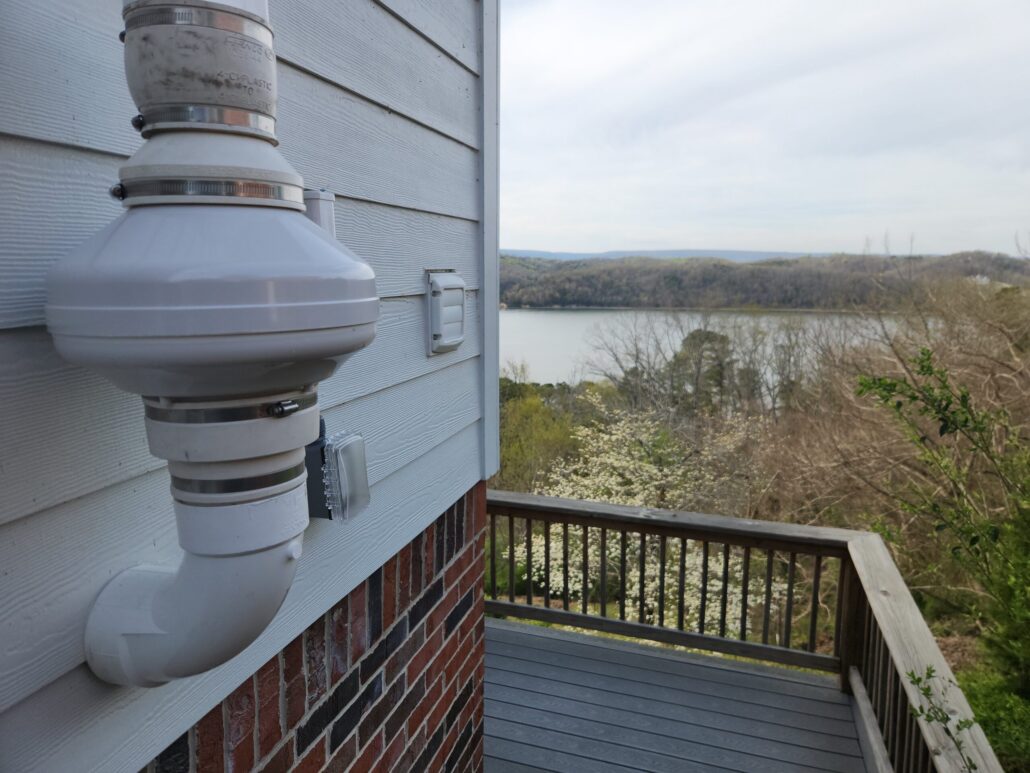
A tidy handover file helps when you have a question next month, renovate a lower level or eventually sell the property. It also keeps “the system was installed” separate from “here is the measurement taken after installation.” Neither statement should be substituted for the other.
Agree the testing plan before the job is considered complete
Ask who arranges the first post-mitigation test, whether it is included in the proposal, which locations it covers and how you will receive the report. Establish the plan before installation so testing is not left to an assumption afterward.
For homes, the EPA Consumer’s Guide to Radon Reduction recommends testing within 30 days of installation, no sooner than 24 hours after the system is operating. EPA also recommends an independent follow-up measurement. Have the testing professional confirm the protocol and instructions that apply to your property and test.
Record the agreed appointment, access contact and responsibility for keeping the required conditions. If a device is disturbed or the conditions change, tell the tester so the report can address what happened.
Keep the complete test report
A message saying “passed” leaves out information you may need later. Ask for the full report and an explanation of the result. Retain these details where the report provides them:
- The property and specific measurement location.
- Start and end dates and times.
- The reported average concentration and its units.
- Device or laboratory identification and the testing provider.
- Relevant conditions, limitations or interruptions.
- The recommended next step, including any additional measurement.
Keep the earlier test too, clearly labeled as pre-mitigation. If locations, duration or conditions differ, ask the tester how that affects comparison. Two numbers on a sales leaflet do not provide the context of two complete reports.
Ask for a demonstration of your own system
During handover, ask the installer to identify the system components you are expected to recognize, explain the warning device and show how to report a concern. Save written operating and maintenance instructions rather than relying on memory.
For an active, fan-powered system, follow the installer’s guidance for continuous operation. A pressure indicator relates to system operation; it does not measure indoor radon concentration. Our guide to the U-tube gauge explains that distinction.
Photographs of labels or the normal indicator position may make a later service conversation easier. Take them only from safely accessible positions. Ask the installer about changes; do not adjust the fan, pipework or electrical supply yourself.
Make the service and responsibility record usable
Write down the installation date, installer’s contact details, relevant equipment information and any actual warranty terms supplied for the job. Confirm what is covered, who handles a service request and what maintenance responsibilities remain with you. A generic article cannot establish your warranty.
If you manage the home for someone else, identify one person who will respond to alerts and keep records current. Give occupants the relevant operating instructions without sharing unrelated owner or transaction information.
Put future testing in the home’s maintenance file
EPA recommends retesting a home with a mitigation system at least every two years. Ask your professional whether building changes or a system concern call for an earlier measurement.
Keep later tests, service visits and significant building changes in the same file. When selling, provide the installation information and available reports through the appropriate transaction process. A historic result describes its measurement period; it is not a permanent certificate for the building.
Post-mitigation questions
Does a running fan mean no further testing is needed?
No. System operation and indoor radon concentration are different questions. Keep the measurement report as well as the operating instructions.
What if I have no handover paperwork?
Contact the installer for copies. Gather any previous reports and photographs of accessible labels, then ask a radon professional what assessment or testing is appropriate.
Is this the same process for an apartment building?
Larger and shared buildings need a building-specific plan. Do not apply a single-family handover checklist as the complete testing or maintenance specification for a multifamily property.
Bring your report and your question
Contact Radon Eraser about testing or an existing system. Provide the address, property type, available reports and the concern you want to resolve. The team will confirm coverage, assessment scope and the next step; submitting the request does not confirm a service appointment.