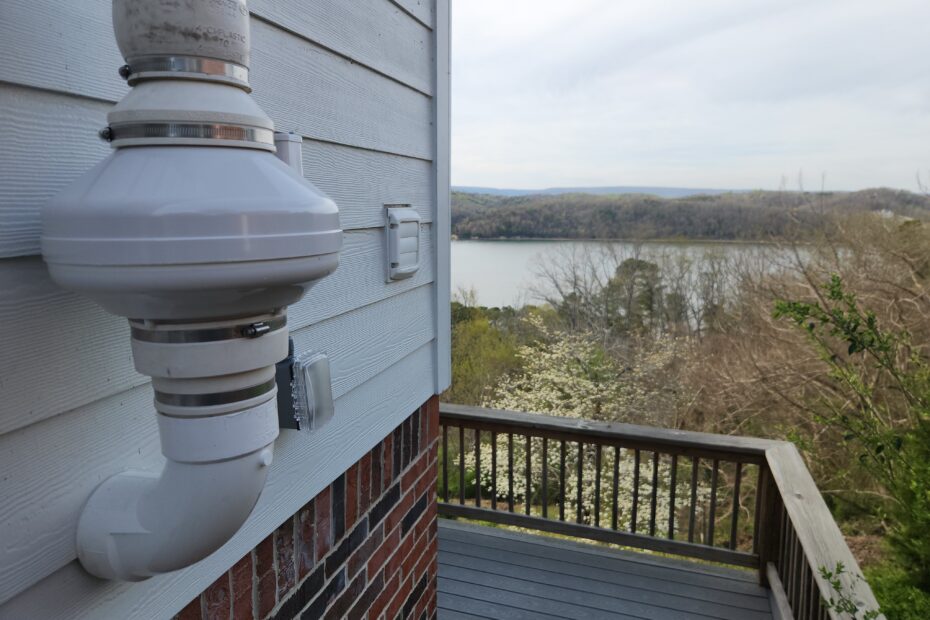
Radon is an invisible, odorless gas that can enter homes through cracks in the foundation, crawl spaces, sump pits, and other openings. Because it forms naturally in the soil, many homeowners do not realize they have a radon problem until they complete a professional test. When elevated levels are found, a radon mitigation system is one of the most effective ways to reduce exposure and protect indoor air quality.
But what exactly happens behind the scenes once a mitigation system is installed?
The Goal of a Radon Mitigation System
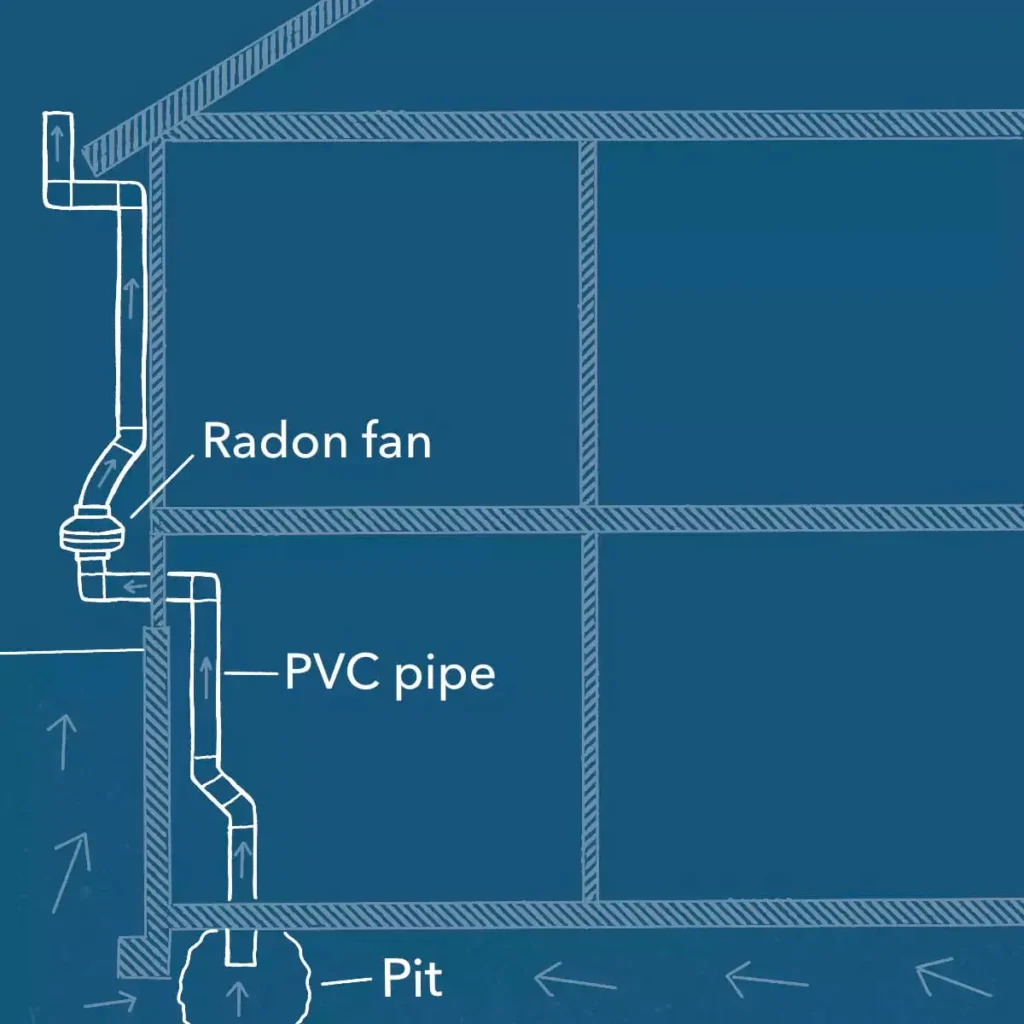
A radon mitigation system is designed to safely redirect radon gas away from your home before it can build up indoors. The system works by creating negative pressure beneath the foundation so the gas is pulled out and vented above the roofline, where it can safely disperse into the outdoor air.
Most systems are active, meaning they use a continuously running fan to keep radon levels low around the clock.
How the System Works
Step 1: Radon Collection
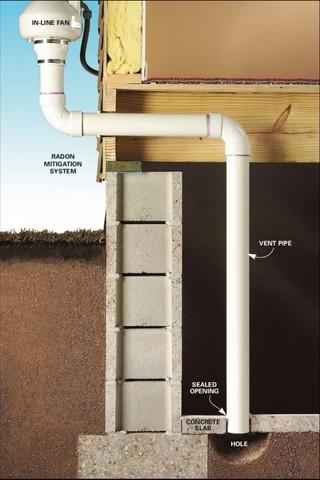
The process starts beneath the home. A mitigation specialist creates a suction point through the slab or foundation floor. This opening allows the system to draw radon gas from the soil beneath the house.
In homes with crawl spaces, a vapor barrier may be installed to help collect and direct the gas more efficiently.
Step 2: PVC Vent Pipe Installation
Once the gas is collected, it travels through a PVC vent pipe system. These pipes are carefully routed through the home, garage, attic, or exterior wall depending on the property layout.
The pipe acts as a pathway that safely moves the radon away from living spaces.
Step 3: Radon Fan Activation
The heart of the system is the radon fan. This specialized fan creates constant suction beneath the foundation, preventing radon from entering the home in the first place.
The fan runs continuously and is designed for energy efficiency and long-term operation. Most homeowners barely notice it after installation because the systems are typically quiet and unobtrusive.
Step 4: Safe Venting Above the Roof
The final step is venting the radon gas outdoors. The vent pipe terminates above the roofline, where the gas quickly dilutes in the open air.
Proper placement is important because it prevents the gas from re-entering the home through windows, doors, or attic spaces.
Monitoring the System
Most mitigation systems include a manometer, a simple monitoring device that shows whether the fan is operating properly. Homeowners should occasionally check the indicator and schedule periodic radon testing to ensure the system continues performing effectively.
Professional maintenance is minimal, but routine inspections can help catch wear or fan issues before they become larger problems.
Why Professional Installation Matters
Every home is different, which means mitigation systems must be customized for the property’s structure and radon levels. Professional installers know how to determine the best suction points, vent locations, and system design for maximum effectiveness.
A properly installed radon mitigation system can significantly reduce radon levels and provide long-term peace of mind for homeowners and their families.