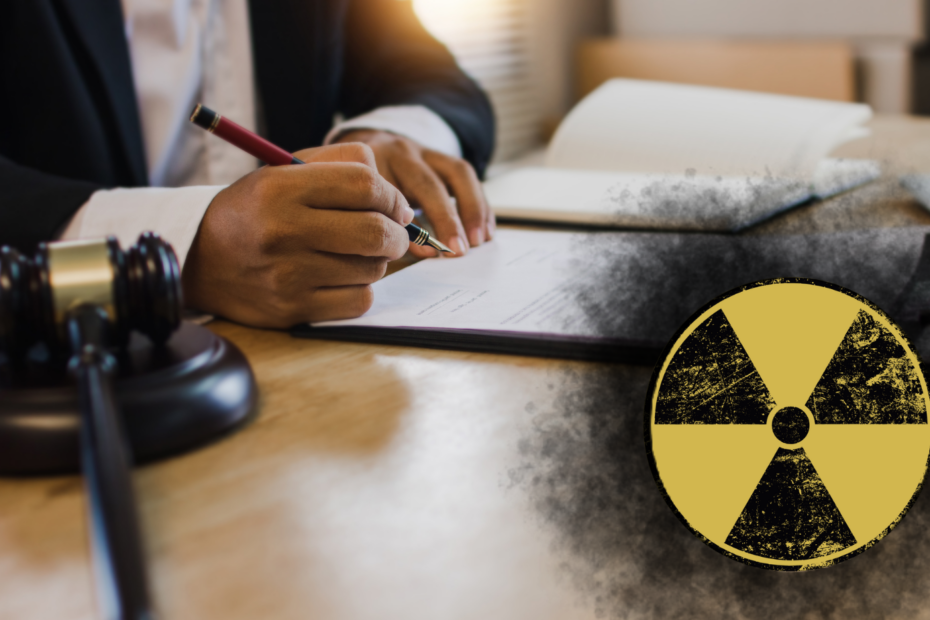
Radon is no longer a quiet concern tucked away in inspection reports. Across the country, lawmakers are stepping in with new legislation that treats radon as a serious public health issue. From required testing to building codes and tenant protections, these efforts signal a growing awareness that radon exposure is preventable and should be addressed proactively.
One of the most talked-about developments is in Iowa, where lawmakers have advanced a bill that would require radon mitigation systems in newly constructed homes. This type of legislation focuses on prevention at the earliest stage, ensuring homes are built with systems designed to reduce radon before it ever becomes a problem. It reflects a broader push toward radon-resistant new construction, which experts say is often more cost-effective than retrofitting a home later.
But Iowa is just one piece of a much larger picture.
In Colorado, legislation has focused heavily on transparency and tenant protection. Landlords are required to disclose known radon levels, provide educational materials, and inform tenants about potential risks before a lease is signed. This ensures renters are not left in the dark about indoor air quality and can make informed decisions about where they live.
Maryland has taken things even further at the local level. In Montgomery County, Bill 26-22 requires radon testing in rental properties before tenants move in. If elevated levels are detected, landlords must mitigate the issue and verify that levels have been reduced to safe standards. This type of legislation shifts responsibility onto property owners to actively protect occupants, rather than simply disclose risks.
Other states, including Illinois and Maine, have also implemented radon disclosure requirements, particularly in rental housing and real estate transactions. Meanwhile, federal housing guidelines have begun tightening radon testing standards for multifamily properties, expanding testing requirements and increasing oversight to better protect residents nationwide.
Even in areas where laws are less strict, radon is becoming part of the conversation during home sales. Many states now require some form of radon disclosure, and industry standards continue to evolve, especially as organizations push for safer building practices and consistent testing protocols.
What ties all of these efforts together is a clear trend. Radon is being recognized not just as a homeowner issue, but as a widespread health risk that deserves legislative attention. Whether through building codes, rental laws, or real estate disclosures, governments are taking steps to reduce exposure and increase awareness.
For homeowners, this movement sends an important message. You do not have to wait for legislation to reach your state to take action. Radon is present in homes across the country, regardless of age, location, or construction type, and testing is the only way to know if your home is affected.
If you live in Chattanooga or the surrounding area, now is the time to be proactive. Advocate for stronger radon awareness by reaching out to your local and state representatives and helping bring this issue to the forefront in your community. More importantly, take steps to protect your own home and family. Schedule professional radon testing, install a mitigation system if needed, and maintain ongoing monitoring. Radon Eraser is here to help you every step of the way with reliable testing, effective mitigation, and peace of mind.