Radon is a naturally occurring radioactive gas that forms when uranium breaks down in soil and rock. While it is invisible and odorless, it can pose serious health risks when it accumulates inside a home. In Southeast Tennessee, several unique geological factors contribute to elevated radon levels, especially in and around Chattanooga.
Understanding these factors can help homeowners recognize why testing is so important in our region.
Abundant Rivers, Lakes, and Waterways
Southeast Tennessee is known for its scenic waterways, including the Tennessee River, Chickamauga Lake, Nickajack Lake, and countless creeks and tributaries. While these natural features are beautiful and recreational assets, they can also influence radon levels.
Water movement through soil and rock can create pathways that allow radon gas to travel more easily. Areas near rivers, lakes, and floodplains often have porous soil conditions that enable radon to migrate from the ground into homes. Additionally, fluctuating water tables can push radon gas upward, increasing the likelihood that it enters through foundations, crawl spaces, and slab cracks.
Mountainous Terrain and Rock Formations
Chattanooga is surrounded by mountainous terrain, including Lookout Mountain and Signal Mountain, which are part of the Appalachian Ridge and Valley region. These geological formations contain rock types such as shale, limestone, and sandstone. Some of these rocks naturally contain uranium, which contributes to radon production.
Homes built near or into mountainous areas may be at higher risk, particularly if foundations are constructed directly on rock or over fractured bedrock. Cracks and fissures in these formations provide natural channels for radon gas to travel into structures.
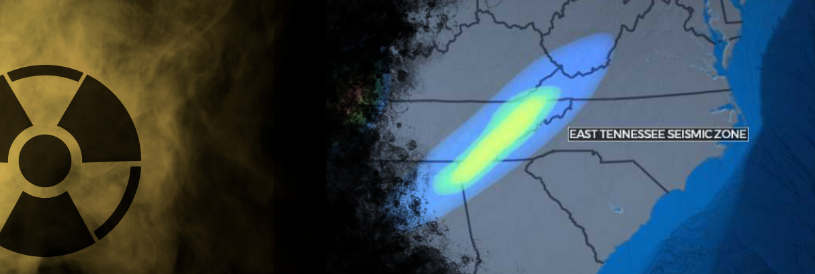
Proximity to the East Tennessee Seismic Zone
Another important factor is our proximity to the East Tennessee Seismic Zone. This area experiences minor seismic activity due to underground fault lines. Even small shifts in the earth can create fractures in rock and soil.
These fractures increase the permeability of the ground, allowing radon gas to move more freely toward the surface. Over time, this natural movement can lead to elevated radon levels in homes throughout Southeast Tennessee.
Rapid New Construction and Soil Disturbance
Chattanooga has seen significant growth and new construction development in recent years. As land is cleared, graded, and excavated, soil layers are disturbed and compacted. This process can alter natural gas flow patterns underground.
New homes built in freshly developed areas may experience elevated radon levels because construction disrupts the soil structure and creates new pathways for radon to enter. Even brand new homes are not immune to radon risk. In fact, modern energy-efficient construction can sometimes trap radon inside more effectively than older homes.
Limestone and Karst Topography
Much of Southeast Tennessee features limestone bedrock and karst topography. Karst landscapes are characterized by sinkholes, underground streams, and voids within the rock. These underground cavities allow radon gas to travel quickly and unpredictably beneath the surface.
Homes built over karst formations may experience fluctuating radon levels depending on weather conditions, soil moisture, and pressure differences inside the home.
Protecting Your Home and Family
Because of these geological factors, radon testing is not optional in Southeast Tennessee. It is essential.
At Radon Eraser, we specialize in professional radon testing and mitigation solutions designed specifically for homes in Chattanooga and surrounding areas. If you are buying, selling, or simply want peace of mind, let Radon Eraser help you breathe easier. Give us a call today at 423-92-RADON to schedule your radon test with us today!